
We can label AI. But what are we actually labeling?
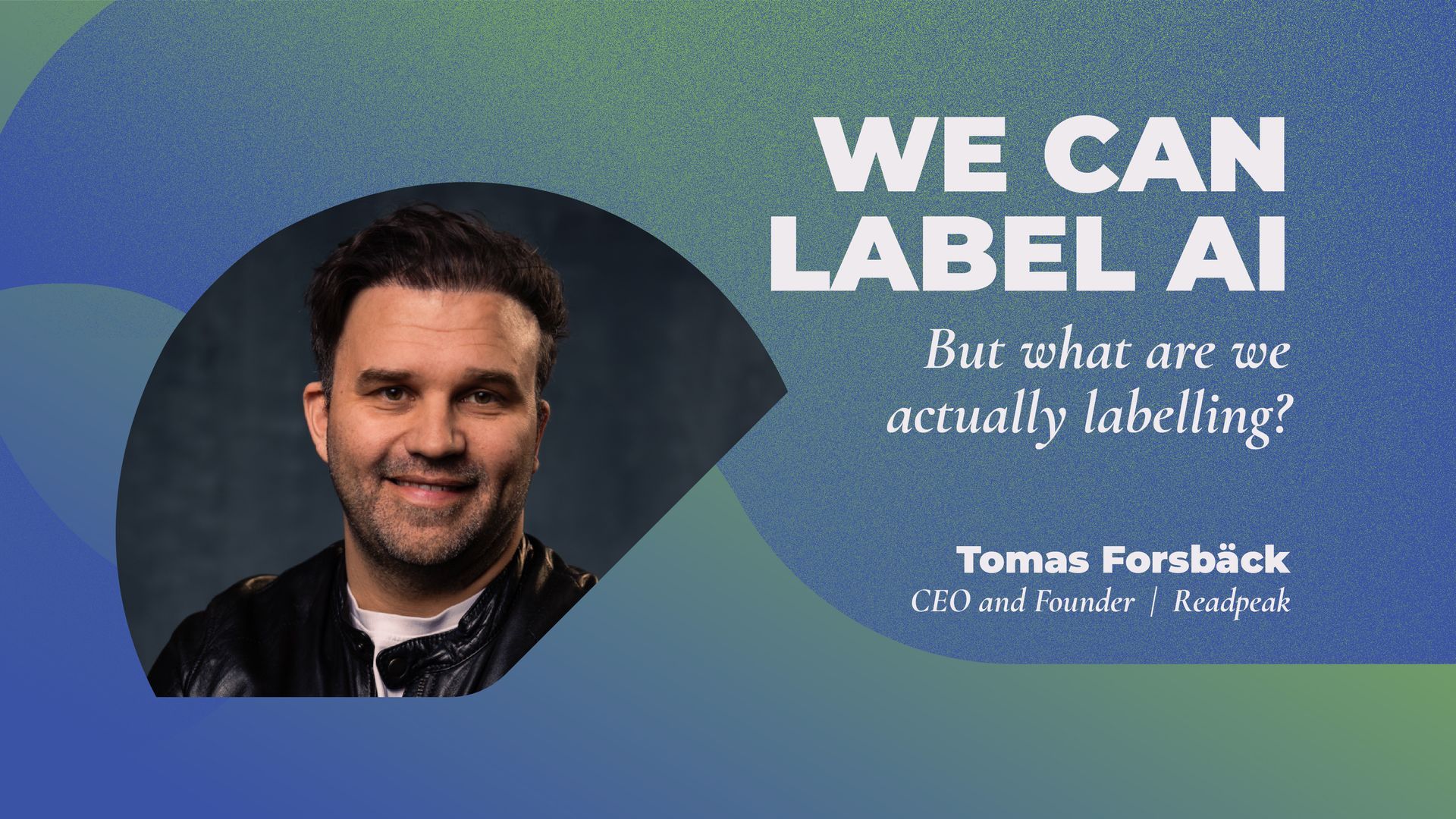
Anthropic has begun embedding invisible watermarks in text generated by new Claude models, part of its effort to comply with the European Union’s new transparency requirements for AI-generated content. The idea sure seems straightforward: if AI generated something, there should be a way to identify it. Tomas Forsbäck, CEO and Founder, Readpeak asks: what exactly are we identifying?
Anthropic has begun embedding invisible watermarks in text generated by new Claude models, part of its effort to comply with the European Union’s new transparency requirements for AI-generated content. The idea sure seems straightforward: if AI generated something, there should be a way to identify it. But what exactly are we identifying?
Ask consumers if they want to know when AI made an ad, and most say yes. Ask brands to point to the line between AI-assisted and human-made, and most cannot find it. A copywriter might write the original copy and use AI to rewrite it. A designer might create an image and use AI to alter the lighting. An advertising platform might take human-created assets and use AI to assemble thousands of combinations that no person ever explicitly designed.
A watermark can establish that AI participated in creating something. But that tells us less than we think it does. The push for disclosure was built for AI you could see and point to, and AI has since spread into nearly every stage of production, targeting, and distribution. Consumers complicate the picture because they are adopting AI in their own lives faster than they are deciding whether they trust it when someone else uses it on them.
AI Stopped Being an Ingredient You Could Point To
AI disclosure made sense when AI in advertising meant one visible element, like a synthetic voiceover, or a fabricated scene. AI has since moved into the infrastructure underneath the ad. Google’s AI Max tools turn an advertiser’s stated goals directly into buying and creative decisions across Search, YouTube, Display, and Gmail, with a reported 7% average conversion lift over search term matching alone. Amazon does the same through its Ads Agent, folding bid management, keyword targeting, and creative generation into one conversational tool. Once the system that builds the ad and buys the media runs as one process, “was AI used” stops being a yes-or-no question. It becomes a question about which parts of that process a brand can even see well enough to describe.
Thousands of Variations, No Single Creator to Name
That merger of creative and buying doesn’t just blur who made the ad. It also multiplies how many versions of the ad exist in the first place. A single campaign inside Performance Max can generate thousands of creative combinations from the headlines, images, and video an advertiser uploads, with Google’s system serving whichever combination performs best in a given moment. Meta runs the same logic through Advantage+, testing combinations across Facebook and Instagram continuously. A single “AI-generated” tag cannot describe that process, because there is no single ad to point to and no single moment of creation to disclose.
No AI Pledges Hold Up Only If They Stay Narrow
And yet, brands are under pressure to respond to consumer sentiment and regulations that push for disclosure. The EU AI Act requirements that prompted Anthropic’s watermarking approach are one example. New York’s AI Transparency in Advertising law requires disclosure whenever an ad features a synthetic performer.
Many brands had already gotten out in front of the groundswell. Aerie built its 100% Aerie Real campaign around a pledge to keep AI-created bodies and people out of its advertising. Dove made a similar pledge in 2024. Coterie told the Wall Street Journal it will keep AI-made images out of its marketing entirely.
Brands making these pledges are not being dishonest about “no AI.” They are drawing the boundary around the part of AI use that still visibly reads as fake. That’s a defensible line to draw, but it also means the pledge is narrower than it sounds, and narrower every year, since the part left out is where AI’s role in advertising is growing fastest.
Consumers Are Reacting to Bad Output, Not AI Itself
Ironically, businesses are getting on the “no AI” bandwagon even as consumers adopt AI, which suggests that people are not rejecting AI itself.
High schoolers are using AI to do their homework, and college students are, too. By now, it’s clear that AI has permeated social media sites like LinkedIn. Half of US employees now use AI in their jobs, up from a fifth in 2023. People who use AI don’t necessarily say so, either. Among authors who use AI in their own work, 74% do not tell their readers. People are growing comfortable using AI themselves well before they are growing comfortable being told when someone else used it on them.
That mismatch, between comfort with AI in general and distrust of AI used on them without warning, shows up clearly amid ad controversies, like when REI was embarrassed over the creation of an ad that depicted a bike saddle with an extra pair of handlebars growing out of it. That’s a production failure, not proof that consumers reject AI as a category. Research from NYU and Emory found that ads made by AI produced a 19% higher click-through rate than human-made versions. People are not punishing the technology. They are punishing bad results, and disclosure gives them a moment to do it. The same holds true when people criticize a person’s use of AI on a platform like LinkedIn. Time and again, the backlash comes down to obvious, lazy uses of AI that generate “AI tells,” not that someone used AI at all.
Describe the Process and the Value Delivered
If a label cannot keep pace with how the ad gets made, transparency needs a different job. Anthropic’s watermarking approach can help establish provenance: Claude played a role in producing this content. That is useful information, but it does not tell us whether Claude generated the original idea, rewrote a human draft, polished a few sentences, or produced nearly everything we are seeing.
As AI becomes embedded throughout the creative process, transparency needs to communicate the nature of AI’s contribution, not simply its presence. A campaign report could state that a strategist set the offer, the audience, and the creative direction, while the system tested 40 headline and image pairings and served whichever made the ad more relevant to each viewer. That explanation takes longer to write than a badge, but it tells the reader what AI is actually doing: not authorship, but relevance. It is also the version of transparency built to last, since AI-produced media is becoming the default condition of digital advertising rather than the exception a brand feels obligated to flag.
The industry keeps having the AI-versus-human-creativity debate. The harder conversation starts once that framing stops working, since the two are no longer separate steps in the same process. AI already runs through the campaigns marketed as AI-free, in the targeting and delivery if not the final frame. Whether AI belongs in advertising is settled; it does, everywhere. What remains open is whether consumers keep caring about the distinction once there is no clean way left to draw it.
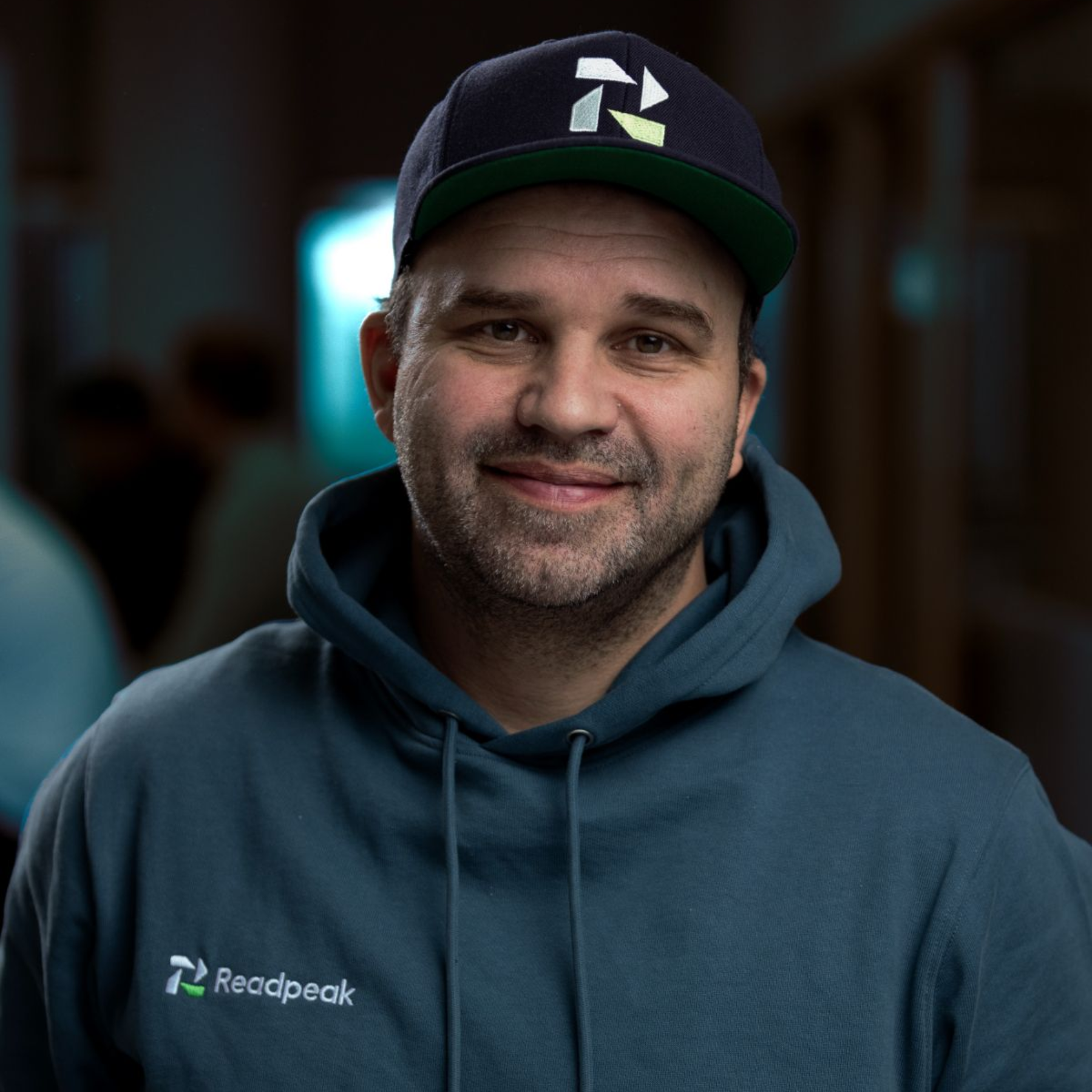
Tomas Forsbäck
Founder and CEO of Readpeak
Tomas Forsbäck is the founder and CEO of Readpeak, the leading programmatic native advertising platform operating across 10 markets.