
Online video ads are hot. But what will make them endure?
Digital video advertising is booming, with U.S. spending projected to surpass $80 billion this year, but scale alone does not create lasting engagement, argues Tomas Forsbäck, CEO and Founder of Readpeak. So how is it created?

Digital video advertising is booming, with U.S. spending projected to surpass $80 billion this year, but scale alone does not create lasting engagement. As AI software floods the open web with cheap, highly polished, generic video assets, advertisers are wasting budgets on identical, interruptive formats that consumers ignore. How can advertisers create video that goes beyond attracting audiences and engages them to the point that they want to watch more? The answer requires shifting to premium native video by embedding content seamlessly within trusted editorial environments, matching existing reading habits to earn genuine human attention.
Why Good-Looking Ads Are No Longer Special
While spending is up, the actual creative substance of video advertising is flattening out. Two-thirds of video ad buyers are live, testing, or planning to deploy agentic machine learning tools this year. This software makes it cheap and fast for any marketing team to churn out thousands of clean, high-definition videos.
When the mechanical barriers to video production disappear, visual polish becomes a commodity. The marketplace risks a standard optimization track, where video assets look highly professional but share an identical, formulaic rhythm. Algorithms optimize toward historical averages, which strips away the unique voice of a brand.
Audiences notice this uniformity. The value of originality, distinct narrative perspectives, and human grounding rises when generic options multiply. An advertisement cannot build a relationship with a consumer if it feels like a mathematical average of every other ad in the same category.
The Flight From Data Losses to Bad Placements
The problem is not just that the ads look identical; it is that the delivery system hides them in spaces viewers avoid looking. The push for volume has altered buying criteria. Targeting capabilities have overtaken content quality as the primary factor in media-buying decisions. Buyers face pressure because the old data tracking tools they used to rely on are breaking down, and automated web browsing bots are generating fake traffic signals. In response, advertisers focus heavily on validation data, sometimes completely ignoring the page where the ad actually loads.
To justify media spend, automated ad servers routinely push video ads into tight sidebars, sticky corner blocks, or forced blocks that load directly between text paragraphs. These placements satisfy automated billing rules, but they fail to capture real human interest. When ad distribution puts computer tracking before user comfort, brand trust falls apart. Readers quickly learn to ignore parts of the screen that mess up their reading flow. An ad view that checks a box on a software dashboard does not mean a person actually looked at the message.
Matching Your Video to the Right Article
The alternative to interruptive distribution is premium native video advertising. This approach integrates video elements directly inside the content streams where readers are already looking. Native video functions as an extension of the editorial experience rather than a barrier to it.
The user journey changes from disruption to discovery. If a reader visits an authoritative publisher to understand an economic report, an embedded native video analyzing market trends matches their immediate focus. The format invites participation by aligning with existing reading behavior.
Under the traditional model, an unexpected pop-up video breaks the flow of reading, which immediately triggers user avoidance and annoyance. A premium native format changes that outcome by presenting a contextual video directly within the text, allowing the user to actively choose to engage. This execution builds trust because the message respects the space chosen by the user.
When a video sits cleanly within a trusted, high-quality editorial environment, the credibility of that publisher supports the brand message. Programmatic open exchanges that scattered video across low-tier placeholder sites cannot mimic this contextual relationship.
How to Earn Consumer Attention
If you want to build video campaigns that people actually want to watch, here is what I suggest you do:
Look Beyond Basic Views
Stop judging campaigns by two-second automated view counts. Watch for real signs of interest, like when a viewer clicks to unmute, plays a clip to the end by choice, or interacts with the video frame. Optimizing for these active choices forces programmatic bidding filters to seek out human interactions rather than cheap, automated bot traffic.
Keep the Story Connected
Treat video as a helpful piece of a larger reading journey. The ideas and language in the video must match the tone and depth of the surrounding publisher site. Abrupt changes in tone cause immediate bounce rates, whereas narrative continuity keeps the reader inside the brand ecosystem without triggering defense mechanisms.
Trust the Editorial Environment
Put your media assets where the article content matches exactly what the consumer is trying to learn right now. A reader's live interest in a specific topic is a much cleaner signal than old tracking profiles that expire in a matter of days. Relying on direct contextual placement eliminates dependence on crumbling third-party cookies and aging identity graphs.
Bottom line: stop optimizing for passive clicks and start designing formats that earn active human interest.
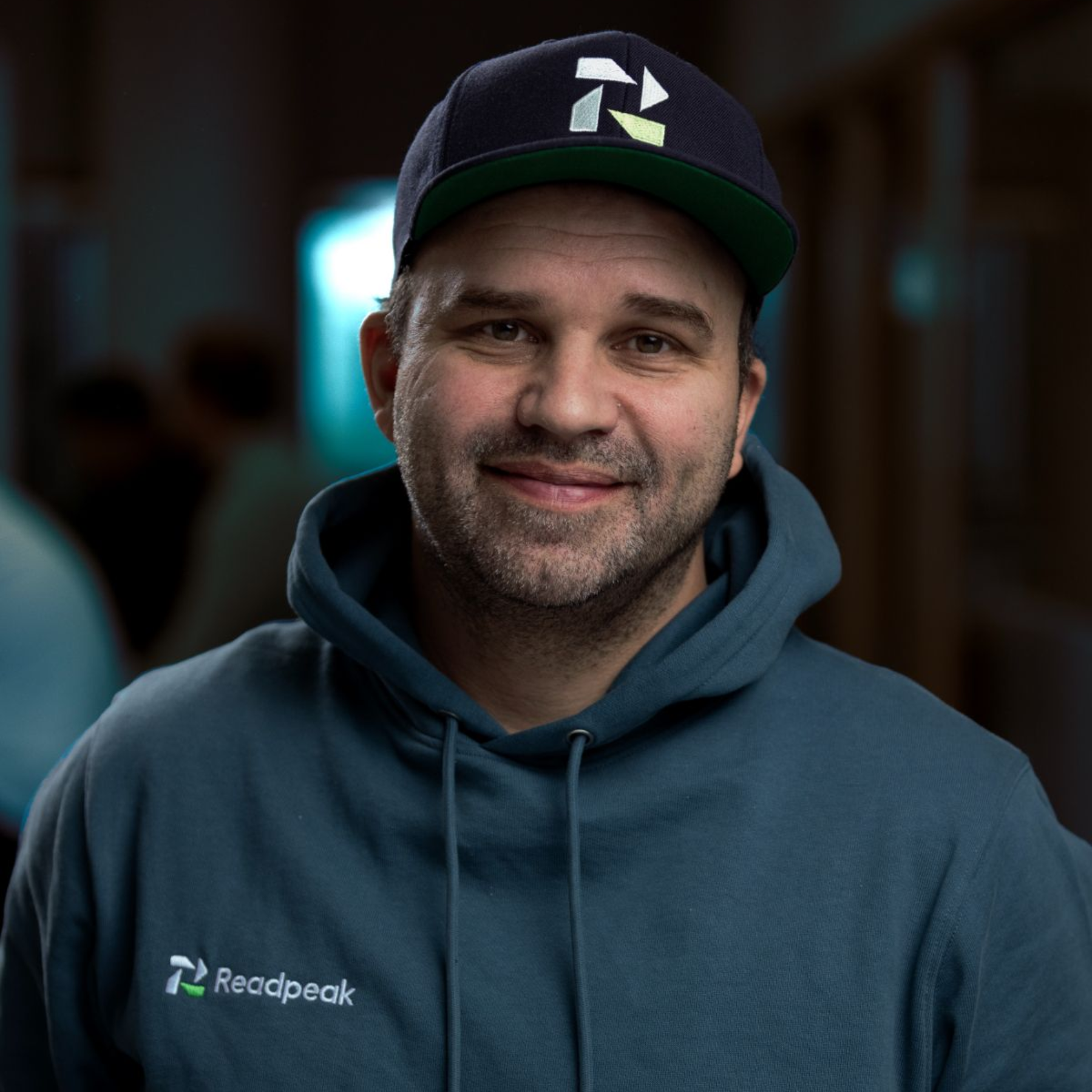
Tomas Forsbäck
Founder and CEO of Readpeak
Tomas Forsbäck is the founder and CEO of Readpeak, the leading programmatic native advertising platform operating across 10 markets.