
Why digital publishing never escaped print economics
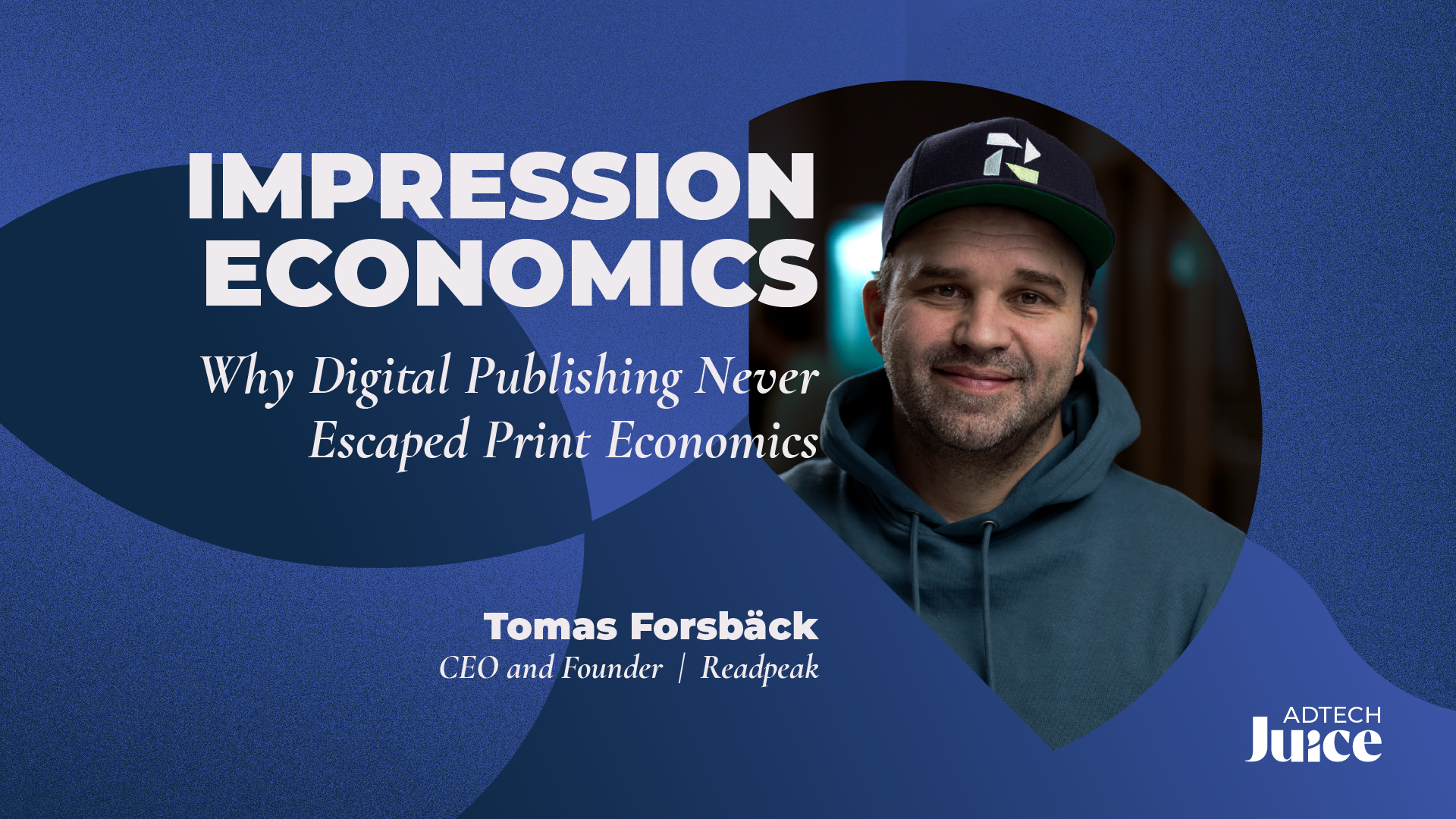
Digital publishing has spent 25 years copying the economics of print, and that choice now blocks its ability to compete for advertiser trust and pricing power. The path forward is for publishers to stop selling impression volume and start selling outcomes, where attention, engagement, and contribution define value, says Tomas Forsbäck, CEO and Founder, Readpeak.
Digital publishing has spent 25 years copying the economics of print, and that choice now blocks its ability to compete for advertiser trust and pricing power. When newspapers and magazines started losing their ad money, they tried to recreate print economics online by turning pages into impressions and selling volume instead of scarcity. The model kept publishers afloat for a while, but it tied the open web to volume-based selling as attention fragmented and supply exploded
The path forward is for publishers to stop selling impression volume and start selling outcomes, where attention, engagement, and contribution define value. If they don’t, impression-based buying will keep rewarding junk traffic, wasting spend, and treating premium content like a commodity. Publishers will pay the price through lower CPMs and shrinking margins.
How impression-based selling creates bad outcomes
An outcome simply means charging for what people actually do, not what technically appears on screen. Instead of getting paid because an ad loaded, a publisher earns revenue when a reader takes a meaningful step, like spending time with a branded element, interacting with a product tool, signing up for a newsletter, requesting more information, or booking a test drive. In this model, value follows participation and intent, not mere visibility.
Impression-based selling works in the opposite way.
Impression-based monetisation taught publishers to value delivery over results. To grow revenue, they chased scale, and sales teams sold reach rather than impact. Ad platforms paid as long as an ad appeared on a page.
That logic keeps low-quality traffic alive, from fraud and made-for-advertising sites to accidental clicks, because impressions still trigger payment and advertisers respond by moving budgets elsewhere.
How social media platforms built advertising around performance
Social media platforms escaped impression economics because they never treated impressions as the product. Meta, TikTok, and YouTube may price ads using CPMs, but they run their ad businesses around results.
On TikTok, ads compete directly with videos in the feed. The platform tests new creative immediately. When people engage, TikTok expands reach. When engagement drops, TikTok pulls back distribution.
Meta works the same way. Ads appear in the feed and either gain exposure or fade out. Meta does not make up for weak performance by serving more impressions. It removes ads that don’t work because poor results hurt revenue. Platforms control the advertising loop from identity to response, which lets them cut low-quality supply without losing advertiser spend.
Publishers operate across thousands of independent sites, which fragments supply, weakens identity signals, and limits access to conversion data. When a publisher removes low-quality inventory, revenue drops immediately. Buyers don’t reward that restraint and move budgets to cheaper reach elsewhere. That imbalance explains the deadlock. Platforms can give up volume and gain performance, but publishers give up volume and lose revenue.
Part of the problem sits outside any single publisher’s control. Most open-web advertising still flows through automated auctions built to trade impressions instead of outcomes. Buyers compare inventory based on price and scale before performance ever enters the picture. When one publisher reduces volume or prices against engagement, budgets can move instantly to another site still selling impressions. So long as the buying infrastructure treats impressions as the unit of trade, individual publishers face penalties for moving first.
But the open web is not standing still. A growing class of independent advertising platforms now operates outside traditional buying paths, packaging open-web engagement in ways that let advertisers buy against interaction and contribution rather than raw delivery. These approaches don’t replace programmatic infrastructure, but they show how outcome-based monetisation can work at the publisher level, even within today’s constraints.
How publishers can restore scarcity with outcomes
Restoring scarcity requires changing what gets paid, how inventory gets designed, and how performance gets defined and enforced.
Change what gets paid
Publishers must stop monetising delivery by default. That change will only scale when advertisers demand it, but publishers control whether such products exist at all. Revenue should accrue only when an interaction produces a meaningful signal.
Publishers need to define clear thresholds for what counts as value, such as time spent, interaction, or movement into deeper content. When an ad fails to meet those thresholds, it should generate no revenue. That single rule pushes low-quality traffic out of the business.
Design inventory that can perform
Outcome-based pricing collapses when formats remain interruptive and disposable. Publishers need ad experiences that reward attention because they serve the reader.
A financial news publisher can embed an interactive earnings model inside a company analysis, letting readers test how changes in revenue or costs affect future performance as they read. A health or science publisher can integrate a symptom explainer or risk calculator into a long-form piece, allowing readers to explore scenarios without leaving the article. These formats generate engagement because they deepen understanding rather than interrupt it.
Sell less inventory, not more
Scarcity returns only when publishers accept that some impressions should generate zero revenue. MFA traffic, accidental clicks, and low-intent visits must stop subsidizing the business. Publishers regain pricing power only when they constrain supply intentionally.
Reframe performance for advertisers
Publishers can stop apologizing for the lack of last-click attribution and instead focus on directional accountability. Attention, dwell time, interaction, and progression show impact even when conversion happens elsewhere. Social media platforms already use these measures internally, and publishers can do the same by selling against contribution rather than completion.
Enforce restraint operationally
Outcome-driven monetisation only works when publishers enforce it in practice. That means limiting inventory, reducing refresh, and removing placements that never earn attention. When sales teams get rewarded for contribution rather than volume, publishers can actually control supply and restore scarcity.
A necessary break
Digital publishing did not lose leverage because audiences moved too fast. It lost leverage because its economics stayed still. The open web does not need to replicate platform economics. It needs to rebuild its own, grounded in attention, intent, and measurable contribution.
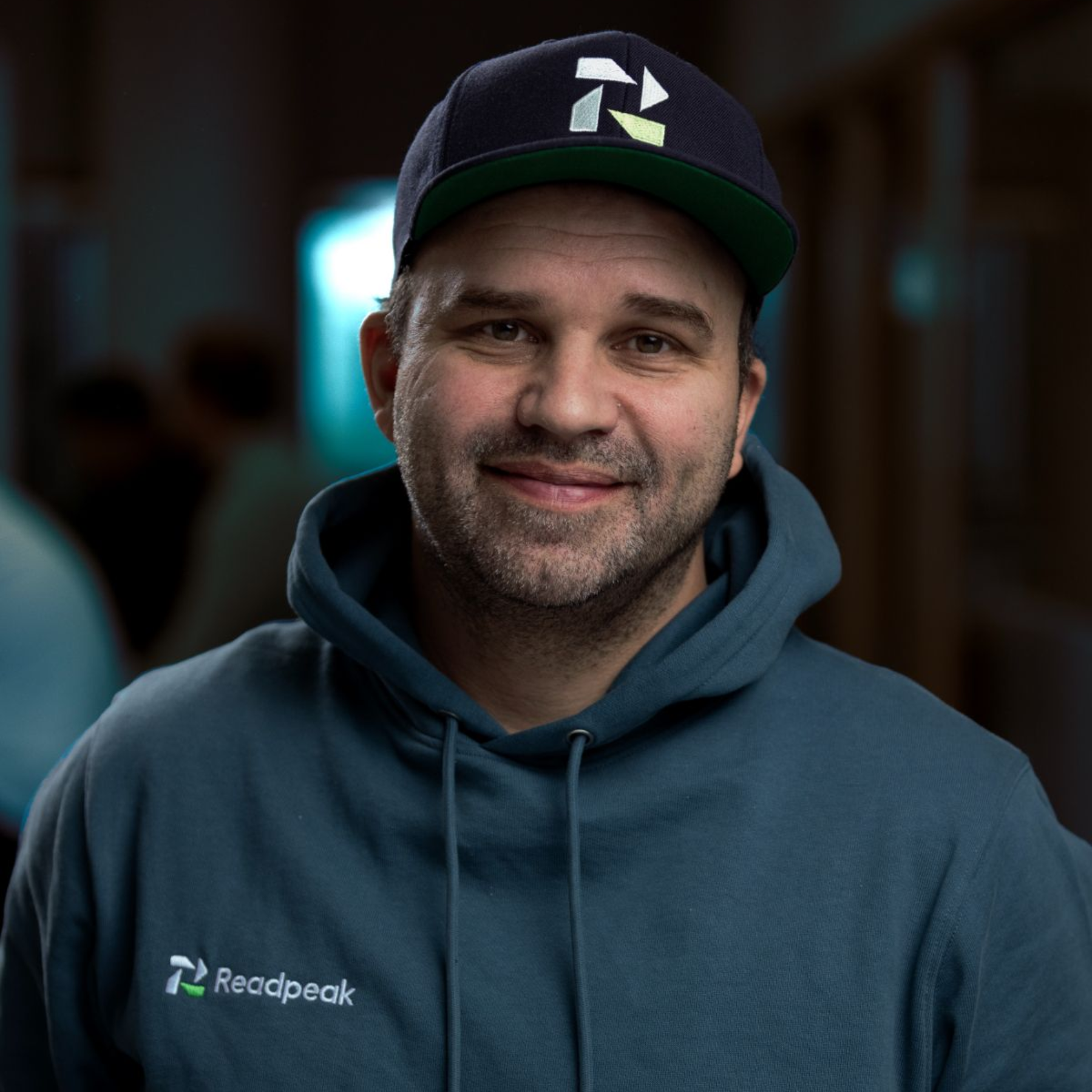
Tomas Forsbäck
CEO and Founder, Readpeak
Tomas Forsbäck is the founder and CEO of Readpeak, the leading programmatic native advertising platform operating across 10 markets.